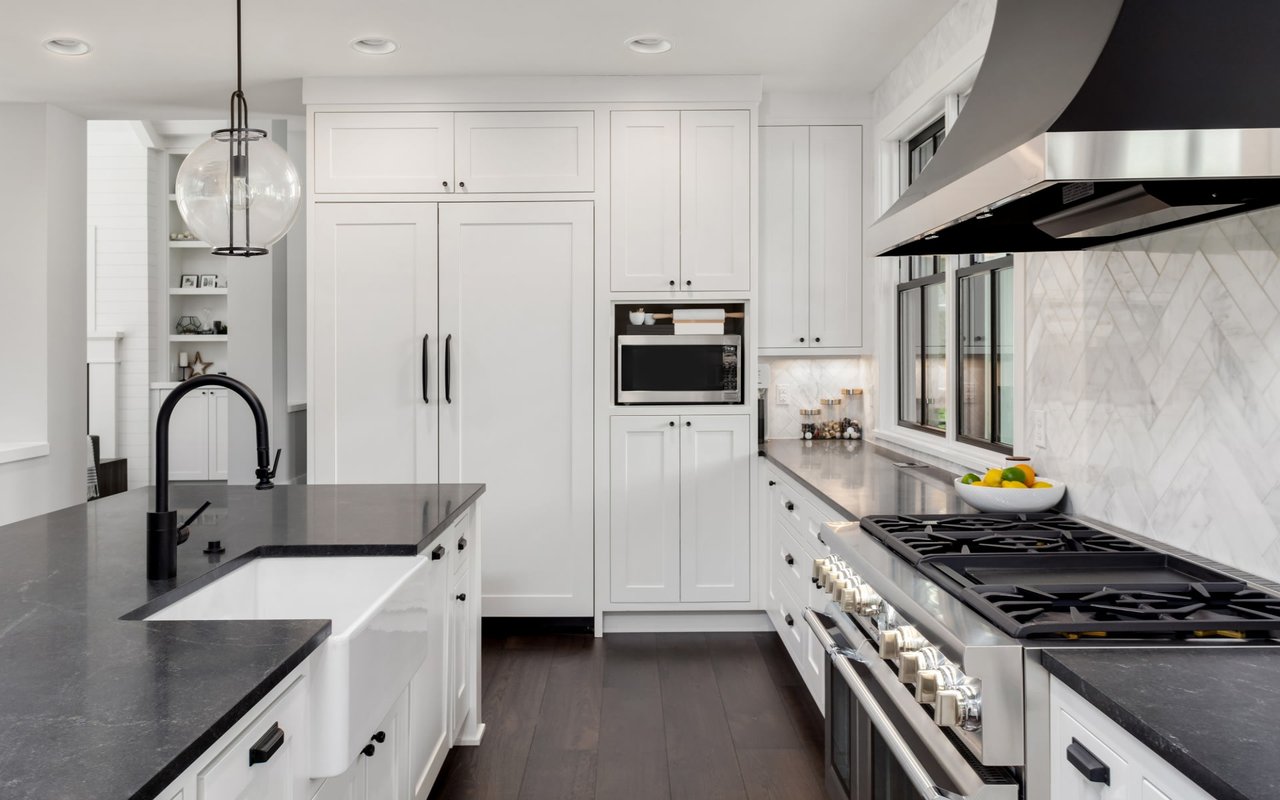
The Big Idea: Not Every Dollar Comes Back
Here's the truth most sellers learn the hard way: the projects that feel the most exciting are usually the ones that pay back the least.
A brand-new luxury kitchen can cost six figures and recover only a fraction of that at sale. Meanwhile, a new garage door, a fresh coat of paint, or a new front door can change how buyers feel about your home for a few thousand dollars.
This guide shows you where your money is most likely to come back, based on national research, and how to build a smart, step-by-step upgrade plan around your home, your budget, and your timeline.
At K2 Omni Group we say luxury is a feeling, not a price point. You don't need expensive finishes to make buyers feel it. You need the right improvements, done well, in the right order.
Important: ROI numbers in this guide come from national and regional research. They're averages, not promises. What pays off in your neighborhood depends on your price range, your competition, and your buyer. That's why the last step in every plan should be a local conversation.
Section 1: What the Research Says
The 2025 Cost vs. Value Report (national averages)
Each year, Zonda's Cost vs. Value Report estimates what common projects cost and how much of that cost they recoup at resale. In the 2025 report, exterior projects led the list. Eight of the top ten were exterior replacements.
Source: Zonda, 2025 Cost vs. Value Report, national averages. "Cost recouped" is the estimated resale value added divided by the job cost.
What this tells you: Smaller, visible, exterior projects tend to recoup the most. Large additions and high-end remodels tend to recoup the least.
How it looks in our regions
The same report breaks results out by region. Here's how four of the top projects compare in the regions that include our markets.
Source: Zonda, 2025 Cost vs. Value Report, regional data. Regional averages still vary widely by city and neighborhood.
What REALTORS® recommend before selling
In the National Association of REALTORS® 2025 Remodeling Impact Report, the projects REALTORS® most often recommended sellers take on before selling were:
In the same report, a new steel front door had the highest estimated cost recovery of the projects studied, at 100%.
The takeaway: Paint, entry, roof, and a light kitchen refresh show up again and again. That's where we'll focus.
Section 2: The Three-Tier Upgrade Plan
Think of pre-sale improvements in three tiers. Finish Tier 1 before you spend a dollar on Tier 3.
Tier 1: Must-Do Fixes (protect your price)
These don't add "wow." They prevent buyers from knocking money off your price or walking away after inspection.
☐ Roof leaks, damaged shingles or tiles, and flashing
☐ Plumbing leaks, running toilets, slow drains
☐ Electrical issues: dead outlets, missing GFCIs, exposed wiring
☐ HVAC service and any needed repairs
☐ Water damage, stains, and their source
☐ Rot on trim, decks, and fascia
☐ Broken windows, failed seals, torn screens
☐ Safety items: smoke and CO detectors, handrails, trip hazards
☐ Pest issues (termites, rodents)
☐ Anything already known that you'd have to disclose
Tip: If you're not sure what an inspector will flag, a pre-listing inspection can give you the list before a buyer does.
Tier 2: High-Impact, Low-Cost Refresh (make buyers feel it)
This is where most sellers get the best return on effort.
☐ Fresh interior paint in warm, light neutrals
☐ Updated light fixtures in the entry, kitchen, and dining area
☐ Matching, bright bulbs throughout
☐ New cabinet hardware and faucets
☐ Refinished hardwood floors, or professionally cleaned carpet
☐ Re-caulked tubs, showers, and sinks; regrouted tile if needed
☐ New switch plates and outlet covers
☐ Fresh mulch, trimmed landscaping, a clean edge on the lawn
☐ Power-washed driveway, walkways, and siding
☐ Painted or replaced front door, with new hardware and house numbers
☐ Clean, working garage door (or a replacement if it's dented or dated)
Tier 3: Strategic Upgrades (only when the numbers work)
Consider these only if your home clearly lags the competition, and only after talking with your agent.
☐ Garage door replacement
☐ Steel or fiberglass entry door replacement
☐ Minor kitchen remodel: refaced or painted cabinets, new counters, sink, faucet, and appliances in the same layout
☐ Bathroom refresh: vanity, mirror, lighting, fixtures, and flooring
☐ Flooring replacement in worn, high-traffic areas
☐ Roof replacement, if the roof is near the end of its life (especially where insurance depends on it)
What to skip (usually)
☒ Major kitchen gut renovations
☒ Room additions and primary suite additions
☒ Swimming pools (in most markets)
☒ Highly personal, high-end finishes
☒ Solar panel installation just before selling (it recouped among the least in the 2025 Cost vs. Value Report)
☒ Projects that won't be finished before photos
Section 3: Typical Costs for Common Pre-Sale Projects
These are general planning ranges for smaller projects. Costs vary by market, home size, materials, and contractor. Always get two or three local quotes.
*From Zonda's 2025 Cost vs. Value Report (national averages). Other figures are typical industry ranges for planning only.
Section 4: Room-by-Room ROI Moves
Curb appeal (where the research says to start)
☐ Replace or repaint the garage door if it's dented, faded, or dated
☐ Replace or refinish the front door; add new hardware and a modern light
☐ Add or refresh house numbers and a mailbox
☐ Clean and repair siding, stone, and trim
☐ Fresh mulch, trimmed shrubs, two planters at the entry
☐ Clean, level walkways
Kitchen (refresh, don't rebuild)
☐ Paint or reface cabinets instead of replacing them
☐ Replace dated hardware, faucet, and sink
☐ Swap in new counters only if the current ones are damaged or very dated
☐ Replace mismatched or failing appliances with a matching set, if budget allows
☐ Add under-cabinet lighting
☐ Update the backsplash with a simple, neutral tile
Bathrooms
☐ New vanity light, mirror, and faucet
☐ Re-caulk and regrout
☐ Replace a dated vanity top or the whole vanity if it's damaged
☐ New toilet seat (a small thing buyers notice)
☐ Fresh, neutral paint
Living areas and bedrooms
☐ Neutral paint, patched walls, clean ceilings
☐ Refinish hardwood floors or deep-clean carpet
☐ Replace dated ceiling fans or fixtures
☐ Fix doors that stick and replace worn knobs
Systems (the hidden ROI)
☐ Service the HVAC and keep the receipt
☐ Replace an aging water heater if it's near end of life
☐ Address roof concerns
☐ Gather permits, warranties, and service records into one folder for buyers
Section 5: Your 6-Month to Listing-Day Timeline
6 months out: Assess
☐ Meet with your agent for a home value and upgrade consultation
☐ Walk the home and sort projects into Tier 1, 2, and 3
☐ Consider a pre-listing inspection
☐ Set a total budget, with a 10%–20% cushion for surprises
5 months out: Plan the big items
☐ Get quotes for roof, garage door, entry door, or kitchen work
☐ Check permit requirements, HOA rules, and (in Santa Fe) historic district rules
☐ Book contractors; good ones fill up fast
4 months out: Tier 1 fixes
☐ Complete all repairs and safety items
☐ Keep every invoice and warranty
3 months out: Tier 3 projects (if any)
☐ Start larger projects so they're fully finished before photos
☐ Order materials with long lead times (doors, cabinets, counters)
2 months out: Tier 2 refresh
☐ Paint, lighting, hardware, and fixtures
☐ Floor refinishing or carpet cleaning
☐ Exterior cleaning and landscaping
1 month out: Finish and polish
☐ Final touch-ups and punch list
☐ Professional deep clean
☐ Declutter and stage
Listing week
☐ Professional photos, video, and floor plan
☐ Build a "home upgrades" sheet for buyers with dates, costs, and warranties
☐ Launch
Short on time? If you have 30 days or less, focus on Tier 1 safety and leak fixes, paint, lighting, deep cleaning, and curb appeal.
Section 6: Market Notes for Our Five Markets
What buyers value, and what insurers and inspectors look at, varies by market. Confirm current rules with your agent, contractor, or local officials.
Boston and Massachusetts
Garage doors pay off here. In the 2025 Cost vs. Value Report, garage door replacement recouped 349.3% in New England, the highest of the regional figures shown above.
Older homes, older systems. Many Boston-area homes predate 1978. Painting or renovating in a pre-1978 home can disturb lead paint, so use contractors certified under the EPA's lead-safe (RRP) rules. You'll also owe federal and Massachusetts lead paint disclosures at sale.
Title 5. If you have a septic system, get your Title 5 inspection done early. A failed system is a must-fix that can cost far more than any cosmetic upgrade.
Heating and windows. Buyers notice heating type, age, and efficiency. Service records help.
Permits. Massachusetts towns require permits for many projects. Unpermitted work can become a problem at sale.
Dallas–Fort Worth, Texas
Strong exterior returns. In the West South Central region (which includes Texas), manufactured stone veneer recouped 242.5% and steel entry doors 233.9% in the 2025 report.
Foundation first. North Texas clay soils can shift. If you see signs of movement, get a structural evaluation before cosmetic work. Foundation repairs with a transferable warranty can reassure buyers.
Option-period readiness. Texas buyers typically inspect during a negotiated option period. Fixing Tier 1 items in advance reduces renegotiation.
Heat-ready systems. A recently serviced HVAC system, good attic insulation, and shade in the yard all matter in Texas summers.
Roof and hail. Hail is common in North Texas. Have roof condition and any insurance claim history documented.
Tampa and Orlando, Florida
Roof is king. Florida insurers pay close attention to roof age and condition. A newer roof can make your home easier and cheaper to insure, which makes it easier to sell.
4-point and wind mitigation. A current 4-point inspection (roof, electrical, plumbing, HVAC) and a wind mitigation report can help buyers get insured. Hurricane-rated features (impact windows or doors, shutters, roof-to-wall connections) may also earn insurance discounts.
Generators. Zonda's 2025 report noted backup power generators recouped more than 100% in some hurricane-prone and storm-affected areas. In the South Atlantic region overall, the figure was 96.5%.
Humidity and moisture. Fix any signs of moisture, mold, or water intrusion. Buyers and inspectors look closely.
Pools and lanais. If you have them, clean, repair, and maintain them. They're lifestyle features buyers pay for in Florida.
Albuquerque and Santa Fe, New Mexico
Adobe and pueblo-style care. Repair stucco cracks, reseal or recoat flat roofs, clear canales, and check parapets. Water damage is the biggest risk for these homes and the first thing a savvy buyer looks for.
Santa Fe historic districts. If you're in a historic district, many exterior changes, from windows to walls to paint colors, generally need review and approval. Check before you plan any exterior project.
Water-wise landscaping. Xeriscaping and native plants fit the climate and appeal to local buyers. Clean gravel, healthy natives, and drip irrigation look good and signal low maintenance.
Wells and septic. If your home has a well, a recent water test and well documentation give buyers confidence. If you have a septic system, consider an inspection.
Regional data. In the Mountain region (which includes New Mexico), garage door replacement recouped 236.1% and steel entry doors 186.3% in the 2025 report.
Section 7: Common Pre-Sale Upgrade Mistakes
Over-improving for the neighborhood. If your home becomes the most expensive on the street because of upgrades, you may not get that money back.
Choosing personal taste over broad appeal. Bold tile and trendy colors can narrow your buyer pool.
Skipping permits. Unpermitted work can cause problems with appraisals, insurance, and buyers.
Starting too late. Unfinished projects in listing photos cost you more than skipping them.
Ignoring Tier 1 for Tier 3. A beautiful new kitchen won't save a deal from a leaking roof.
DIY work that looks DIY. Uneven paint lines or sloppy caulk can make buyers question everything else.
Not documenting upgrades. Keep receipts, warranties, and permits. Buyers want proof.
Assuming national ROI applies to you. Your neighborhood and price range matter more than any national average.
Not asking your agent first. A quick conversation can tell you which projects your local buyers actually care about.
Section 8: Your Personal Upgrade Worksheet
Use this to plan your own projects.
Your total budget: $____________ Cushion (10%–20%): $____________
Why K2 Omni Group
Luxury is a feeling, not a price point. We help you create that feeling for buyers without overspending to get there.
We sell systems and real results, not just houses. When you work with us on a pre-sale plan, you get:
A free home value analysis based on local market data
A prioritized upgrade plan showing which projects are worth it in your neighborhood, and which to skip
Local know-how in five markets, from Florida roof and insurance issues to Texas foundations to Santa Fe historic district rules
A clear timeline that gets every project finished before photos
Honest advice, even when the answer is "don't spend that money"
Kiki and Kristina Salcido lead K2 Omni Group with a simple belief: when you have a clear plan, selling feels less stressful and the results speak for themselves.
Your Next Step: Get Your Free Home Value and Upgrade Plan
Request your free Home Value and Upgrade Plan. We'll tell you what your home could sell for today, what it could sell for after the right improvements, and exactly which upgrades are worth your money in your neighborhood.
No pressure, no obligation. Just straight answers before you spend a dollar.
Disclaimer
This guide is for general information only and is not legal, tax, financial, or lending advice. Return-on-investment figures are national and regional averages from published research and do not guarantee results for any specific home. Cost ranges are general estimates and vary by market, materials, and contractor. Permit, disclosure, and inspection requirements vary by location and change over time. Consult licensed contractors, inspectors, attorneys, and tax professionals for advice on your situation. If your home is currently listed with another brokerage, this is not a solicitation of that listing.
