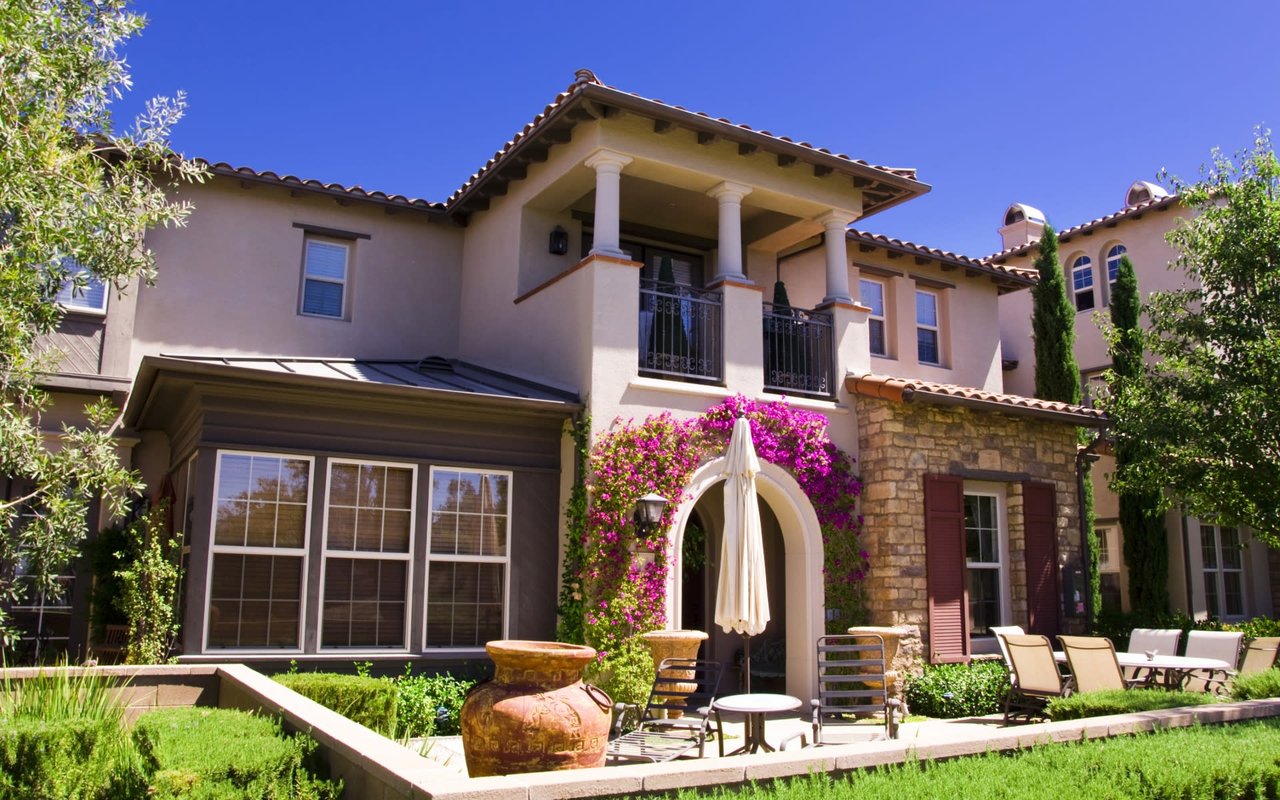
It's not about how big your house is. It's about what your lot is allowed to hold.
Right now, one little city in Pinellas County is asking a big question. Oldsmar is weighing whether to let homeowners build accessory dwelling units, ADUs, on 274 more parcels. Backyard cottages. Garage apartments. Granny flats. Whatever you want to call them.
Today those units are only allowed in a couple of areas inside Oldsmar's Town Center. The city held a town hall this week and is collecting feedback through an online survey. No decision has been made yet.
So why should you care if you don't live in Oldsmar? Because the same question is being answered differently in every city and county around Tampa Bay. And the answer changes what a property is actually worth to you.
Let's break it down.
What Oldsmar Is Actually Debating
Here's what's on the table, per Hoodline and Tampa Bay 28's reporting:
274 more eligible parcels. That's the proposed expansion beyond the Town Center.
A small expected uptake. City officials estimate it would produce only around 11 new ADUs over the next 10 years. That projection is based on a 0.4% ADU building rate seen in St. Petersburg.
Family-only, for now. Under current Oldsmar code, existing ADUs can only be occupied by family members of the owner. No short-term rentals.
A split community. Some residents see ADUs as a way to care for aging parents close to home. Others worry about the town losing its small-town feel.
Here's the takeaway. Even when a city says yes, not that many people build. Which means the ones who do it right have an edge.
The Rules Are Different Everywhere. Know Yours.
This is where people get burned. They hear "ADUs are legal in Florida now" and they buy a house planning a backyard rental. Then they find out their city doesn't allow it.
Here's how it stacks up around the Bay.
City of Tampa
Tampa allows rentable ADUs in specific areas: Seminole Heights, the area around Lowry Park, the East Tampa Overlay, and the Tampa Heights Overlay. Everywhere else in the city, a second unit can only be built for a family member. Tampa calls those Extended Family Residences. And the main house has to be owner-occupied.
Unincorporated Hillsborough County
Outside city limits, think Brandon, Riverview, Lutz, and Carrollwood, the county code applies. Published summaries of the county rules say ADUs are allowed in many single-family zones, generally on lots of at least 7,000 square feet, with living space capped around 900 square feet and the owner living on the property. Rules like these get reviewed, so confirm with the county before you plan around them.
St. Petersburg
St. Pete is the most ADU-friendly city in the region. When it expanded eligibility in July 2022, roughly 70% of single-family lots became eligible. Units can be attached or detached, capped at 800 square feet or 67% of the main home's floor area, whichever is smaller. And they can't be used as transient, short-term rentals.
Even so, St. Pete permitted 110 ADUs in 2023. That was a record for the city. So, real demand. Not a flood.
Pasco County
Up in Pasco, Wesley Chapel and Zephyrhills territory, the county allows ADUs up to 1,200 square feet, and the unit has to be smaller than the main house. Setbacks, height, and lot coverage have to match the zoning rules for the main home. Check your HOA too. A lot of Pasco's master-planned communities have their own restrictions.
What This Means If You're Buying
You got to look at the lot, not just the house.
Ask before you offer. Is this parcel eligible for an ADU? Is it rental-eligible or family-only? Those are two very different answers.
Check the HOA. St. Pete's own code says it doesn't override deed restrictions or HOA rules. That's true almost everywhere. A city "yes" can still be an HOA "no."
Run the multigenerational math. If mom or dad is moving in, a detached unit on the right lot can beat buying a bigger house. Privacy for everybody, one property tax bill.
What This Means If You're Selling
If your lot qualifies, that's a feature. Market it like one.
A buyer scrolling listings sees "3 bed, 2 bath." They don't see "zoned for a backyard cottage." Unless you tell them. Pull the eligibility info, put it in the listing, and let the right buyer find it.
What This Means If You're Investing
Right? This is the part everybody wants to talk about.
Short-term rental plans are mostly a no. Oldsmar and St. Pete both bar ADUs from short-term or transient use. Plan for long-term tenants or family.
Rental eligibility is location-specific. In the City of Tampa, the rentable ADU areas are spelled out. Outside them, it's family only.
Owner-occupancy rules matter. Tampa and unincorporated Hillsborough both tie ADUs to the owner living on the property. That changes the play for out-of-town investors.
At the end of the day, an ADU is a long game. It's about flexibility, family, and steady long-term value. Not a quick Airbnb flip.
Don't Guess. Verify.
Codes change. Oldsmar is proof. A lot that isn't eligible today could be eligible next year, and the other way around. Before you buy, build, or list, get the zoning confirmed for that exact parcel. St. Petersburg even built a map tool so homeowners can check their own lot.
If you want help figuring out what a property can really hold, that's what we do. Call K2 Omni Group at 813-295-7479 or visit K2OmniGroup.com. We'll help you read the lot, not just the listing.
It's not about how big your house is. It's about what your lot is allowed to hold. Know before you buy.
